
The Dancer's Tomb (CT)
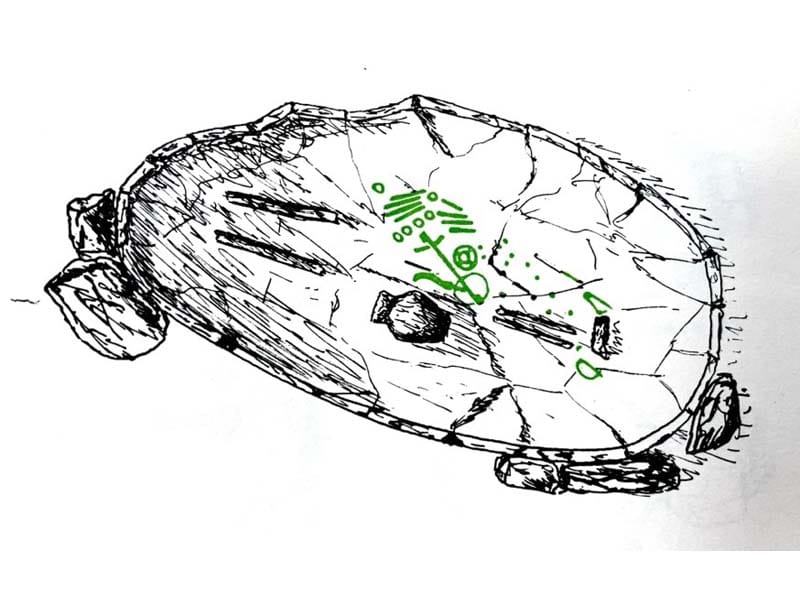
by Barbara Crescimanno The necropolis of Molino della Badia – Madonna del Piano (Grammichele, Catania), dating back to a period between the end of the Bronze Age and the beginning of the Sicilian Iron Age (11th-9th century BC), differ from other Sicilian necropolises of the same facies: Bernabò-Brea defines them as one of the most unique complexes…
Sisaia. A Discovery in the Dark (NU)

by Arianna Carta Spring 1961. In the Lanaittu Valley, beneath Mount Gutturgios, a group of speleologists from the Nuorese Caves Group climbs a rock face to a small cave in the Dorgali area. At the end of a narrow tunnel, they find what they weren't looking for: a nearly complete human skeleton…
A VISION FOR THE WORLD

Introduction by Elvira Visciola and Alessandra De Nardis Marija Gimbutas (1921–1994) was one of the most original and unconventional voices in twentieth-century archaeology. Trained as an archaeologist and linguist, she was able to combine scientific rigor and an interdisciplinary vision, proposing a radically new interpretation of prehistoric European civilizations. At the heart of her work is…
From the Cult of Valentia Dea to Saint Valentine: The Sacred Waters of a Walled Hypogeum

by Eleonora Ambrusiano Valentia is a practically unknown deity although her name has historically remained well present and widespread in the toponyms spread throughout Umbria in the Terni area in particular (Valenza, a neighborhood and area in the city and, in the first outskirts, the hills of Valenza, and again Collevalenza village in the…
Amulets of time. Traces of a proto-writing on deer canines

by Alessandra de Nardis and Elvira Visciola In 2020, a short article was published on the pages of Preistoria in Italia, "A necklace of deer teeth from 16.000 years ago", on a particular object found in a burial discovered in 1934 in southern France. western, in Saint-Germain-La-Rivière, dated to the Middle Magdalenian,…
Remembering Marija Gimbutas and the conference “Twenty years of studies on the Goddess” – Rome 2014

Introduction by Luciana Percovich It will take more than thirty years for my theses to be recognized, Marija Gimbutas repeated a few years before her death. Aware of the extent of her vision and her foreignness – not only geographically but culturally in a WASP (White Anglo Saxon Protestant) world, which…
Vacuna, the goddess who exists and does not exist
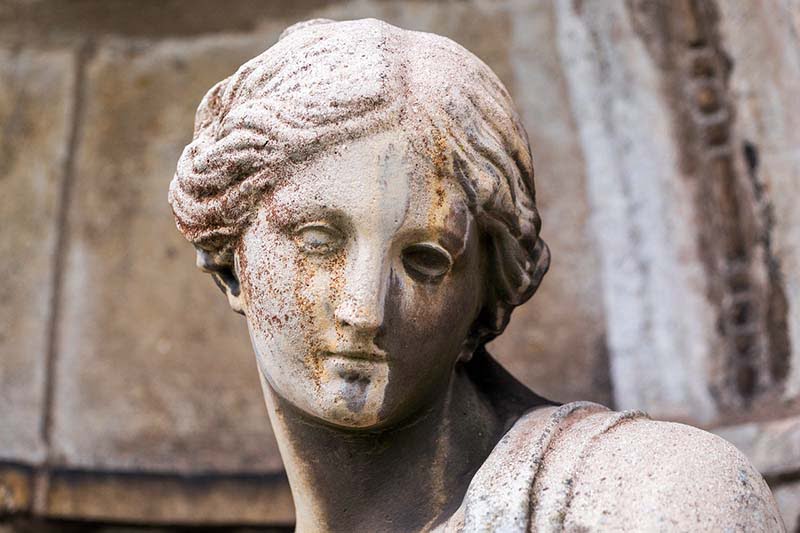
by Enrica Tedeschi Those who considered her indigenous and autochthonous (Vespasian and Titus Tatius) defined her as daughter of Sabo, mythical king of the Sabines, and granddaughter of Sanco (god of oaths, main male Sabine deity). According to other narratives (Varro and Dionysius of Halicarnassus), the goddess arrived in Italy with the Pelasgians...
The piceni rings, female emblem
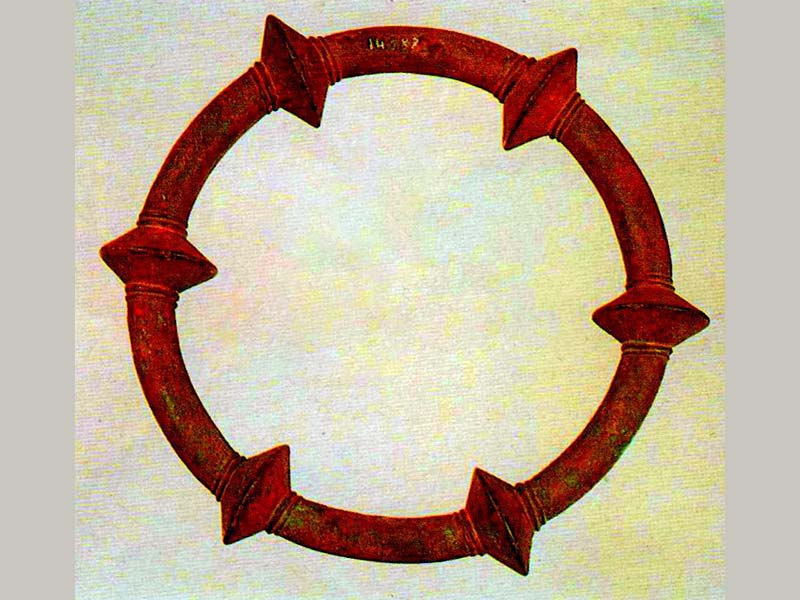
by Francesca Principi The large knotted rings are one of the most characteristic symbols of the Piceno culture even though they remain, to this day, finds whose true meaning remains mostly obscure. To understand the cultural context in which these objects were created, it is of fundamental importance to make a premise on identity…
Etruscan Women of Power
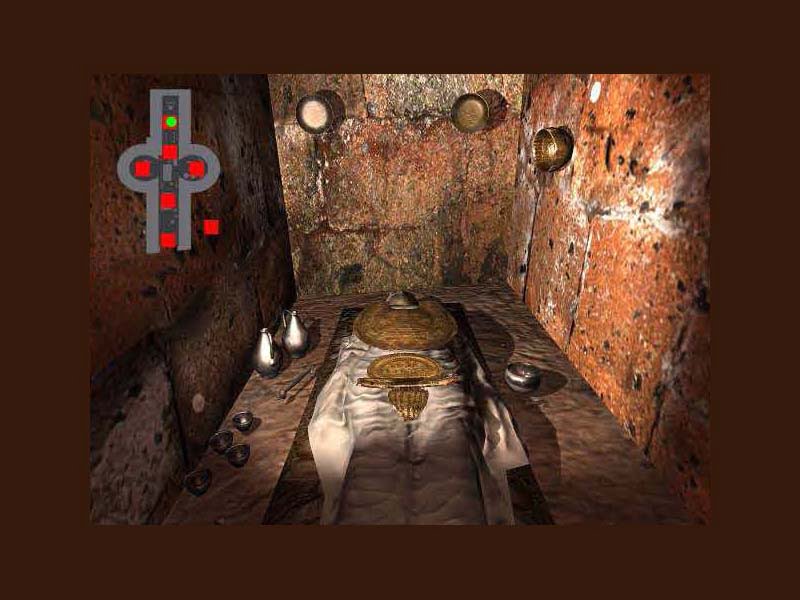
by Giulia Goggi The condition of Etruscan women seems to have been freer than that of contemporary women. It has been hypothesized that they knew how to write and read and the inscriptions on some mirrors could be related to this, explaining the scenes represented. In the Etruscan inscriptions the…
Paleolithic “mon amour”
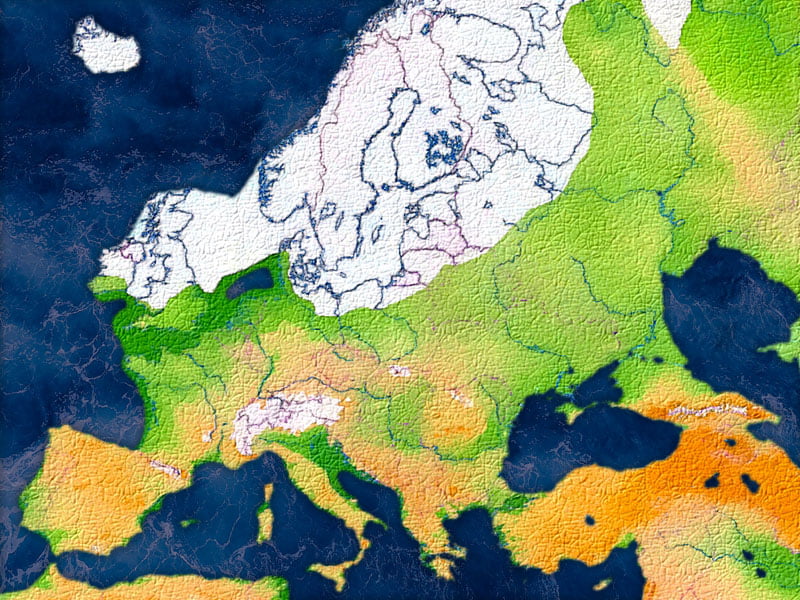
by Elvira Visciola Marija Gimbutas spoke of ancient Europe for the Neolithic, including a vast territory in which populations moved bringing with them their own customs and traditions which they transferred to the populations they met. In reality, although the traces are more fleeting and distant even by several thousand…